Things to Do in Ho Chi Minh City
Where motorbikes outnumber stoplights and the best phở costs less than coffee
Top Things to Do in Ho Chi Minh City
Find activities and tours you'll actually want to do. Book through our partners -- no booking fees.


Plan Your Trip
Essential guides for timing and budgeting
Climate Guide
Best times to visit based on weather and events
View guide →Day Trips
The best excursions and nearby destinations worth the journey
Explore day trips →Where to Stay
Best neighbourhoods, hotel picks, and booking tips
Find hotels →Travel Insurance
What's required, what coverage matters, and how to get a quote
Read guide →What to Pack
Climate-specific gear, essentials, and what to leave at home
See packing list →When Should You Visit Ho Chi Minh City?
Tap a month for weather, crowds, and highlights
View full year-round climate guide →


Your Guide to Ho Chi Minh City
About Ho Chi Minh City
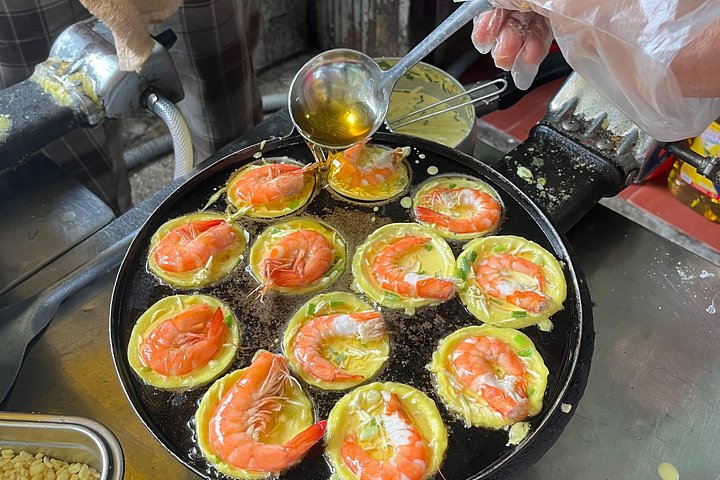
Ho Chi Minh City announces itself with exhaust fumes and lemongrass smoke the second you leave the terminal. By the time you're threading through the motorbike swarm on Xa Lội Hà Nội, the sidewalk cafés along Nguyễn Huệ walking street are already pouring cà phê sữa đá over crushed ice at 15,000 VND (60¢), and the charcoal smell from bánh xèo stalls is mixing with diesel in ways that shouldn't work but somehow does.
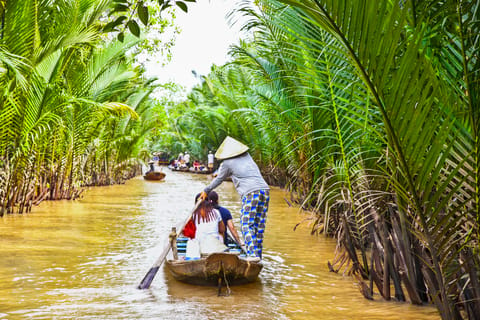
District 1's colonial façades on Đồng Khởi still carry bullet scars from 1968, while twenty floors above, rooftop bars charge 180,000 VND ($7.20) for happy-hour gin and tonics with views that stretch to the Mekong's brown water. The real city happens at ground level: District 4's seafood joints where crab claws crack open at 4 AM, the flower market on Hoàng Sa that starts at midnight with lotus buds trucked in from the delta, and the Cu Chi tunnels 40 kilometers north where guides demonstrate how families lived underground eating cassava and dreaming of sun.
Yes, the humidity will make your clothes stick within ten minutes, and crossing the street feels like real-life Frogger. But the payoff comes when you bite into bánh mì from Huỳnh Hoa that costs 35,000 VND ($1.40) and realize the pâté tastes better than Paris because the bread's still warm from the sidewalk oven.
Travel Tips
Transportation: Download Grab before you land, it's Uber for motorbikes and costs 12,000 VND (50¢) per kilometer versus taxi scams that start at 300,000 VND ($12) from the airport. The green Mai Linh taxis are reliable. But their meter starts at 12,000 VND (50¢) and climbs faster in traffic. For real efficiency, hop on the back of a xe ôm (motorbike taxi) in District 1, negotiate 20,000 VND (80¢) for short hops. But confirm the price before you climb on. The airport bus #109 costs 20,000 VND (80¢) to District 1 and runs on schedule, unlike the older #152.
Money: ATMs dispense 2-3 million VND per withdrawal ($80-120) and charge 50,000 VND ($2) regardless of amount, withdraw larger sums to minimize fees. Street stalls and most cafés prefer cash. But Grab and newer restaurants take cards. Always count your change, 500,000 VND notes look similar to 20,000 VND ones in dim light. The gold shops on Nguyễn Công Trứ will exchange dollars at better rates than banks, and they're open on weekends when banks close.
Cultural Respect: Take shoes off before entering homes and temples, even small neighborhood shrines. Dress modestly at pagodas (shoulders covered, no shorts above the knee), but the city's tolerance for casual dress is surprisingly high. Don't point your feet toward altars or older people, it's offensive. When giving money or receiving change, use both hands. The war history is recent and raw, avoid making casual comments about 'winners' or 'losers' at museums like the War Remnants Museum. Locals just call it the 'American War'.
Food Safety: The golden rule: busy stalls with high turnover are safer than empty restaurants. Look for places where locals queue, like bánh cuốn on Tôn Thất Đạm where the steam billows white clouds over the street. Avoid raw herbs that look wilted or have been sitting in sun, they're typically rinsed in tap water. Bottled water is 10,000 VND (40¢) everywhere. But iced drinks are generally safe since vendors buy ice from central plants. Your stomach might protest the chili oil initially. But the phở from Phở Hòa Pasteur at 3 AM tastes better after three beers and costs 65,000 VND ($2.60).
When to Visit
December through February delivers the city's best weather, temperatures hover at 26-30°C (79-86°F) with low humidity and almost no rain. Hotel prices spike 40-50% around Christmas and Tet (late January/early February), but the dry streets make walking District 1's French Quarter pleasant instead of a sweat-drenched endurance test.
March turns brutal fast, temperatures hit 34°C (93°F) with 80% humidity that feels like breathing through a wet towel. The wet season from May through October brings daily afternoon downpours that drop temperatures to 28°C (82°F) but turn streets into rivers. The sweet spot is late October through November: rain slows to occasional showers, hotel prices drop 30%, and the city smells like wet earth and burning incense instead of exhaust.
Avoid early May, tropical storms can shut the airport and flood the Cu Chi tunnels. Business hotels offer their deepest discounts in September (think $40 rooms that cost $120 in December), but you'll need waterproof shoes and patience for sudden deluges that flood intersections knee-deep within minutes.
More Ways to Experience Ho Chi Minh City
Tours, day trips, and local experiences curated by on-the-ground operators.
Didn't see anything interesting yet?
Browse Viator's full catalog of tours, day trips, food experiences, and private guides in Ho Chi Minh City.
See All Ho Chi Minh City Tours on Viator